



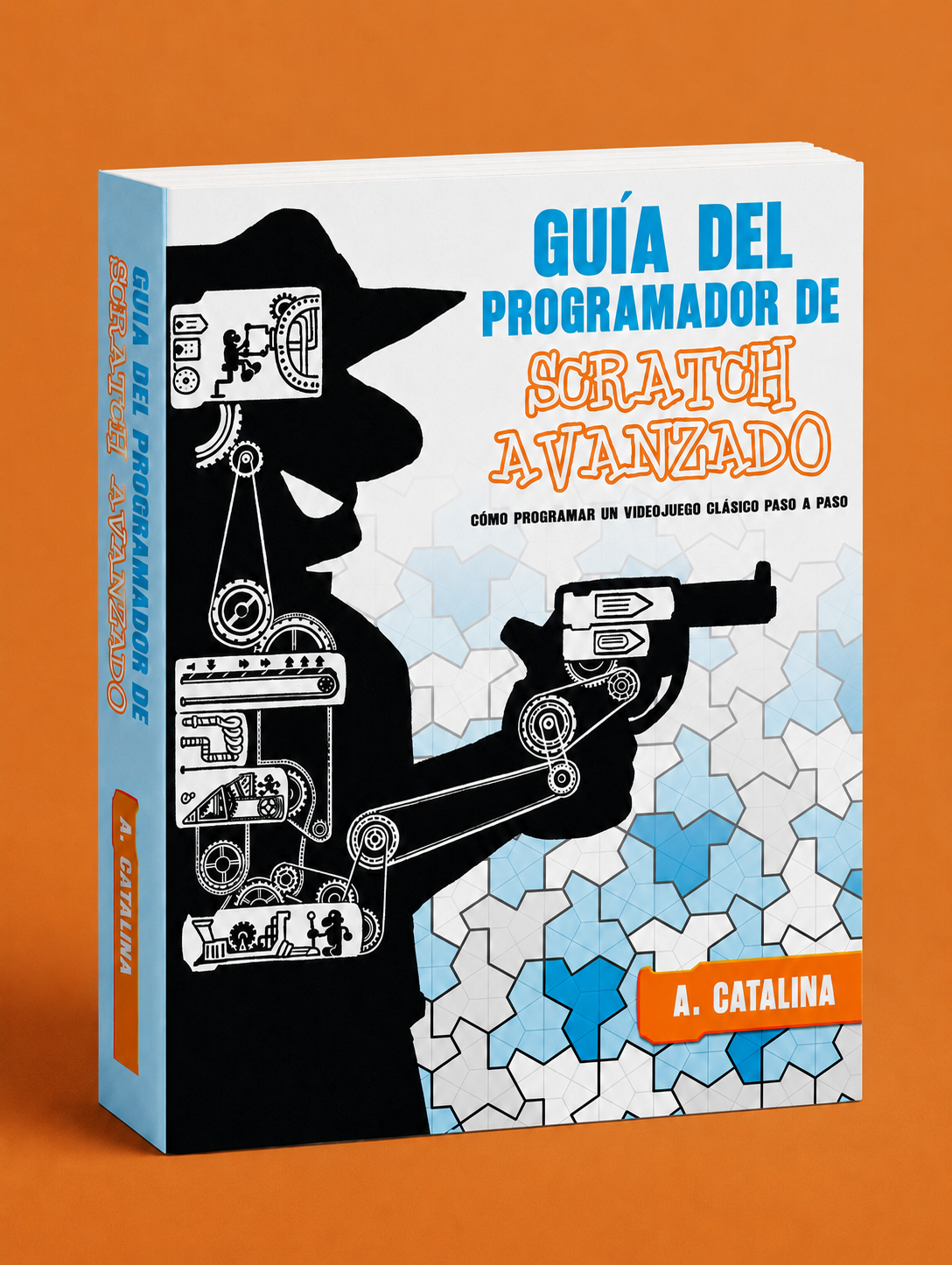
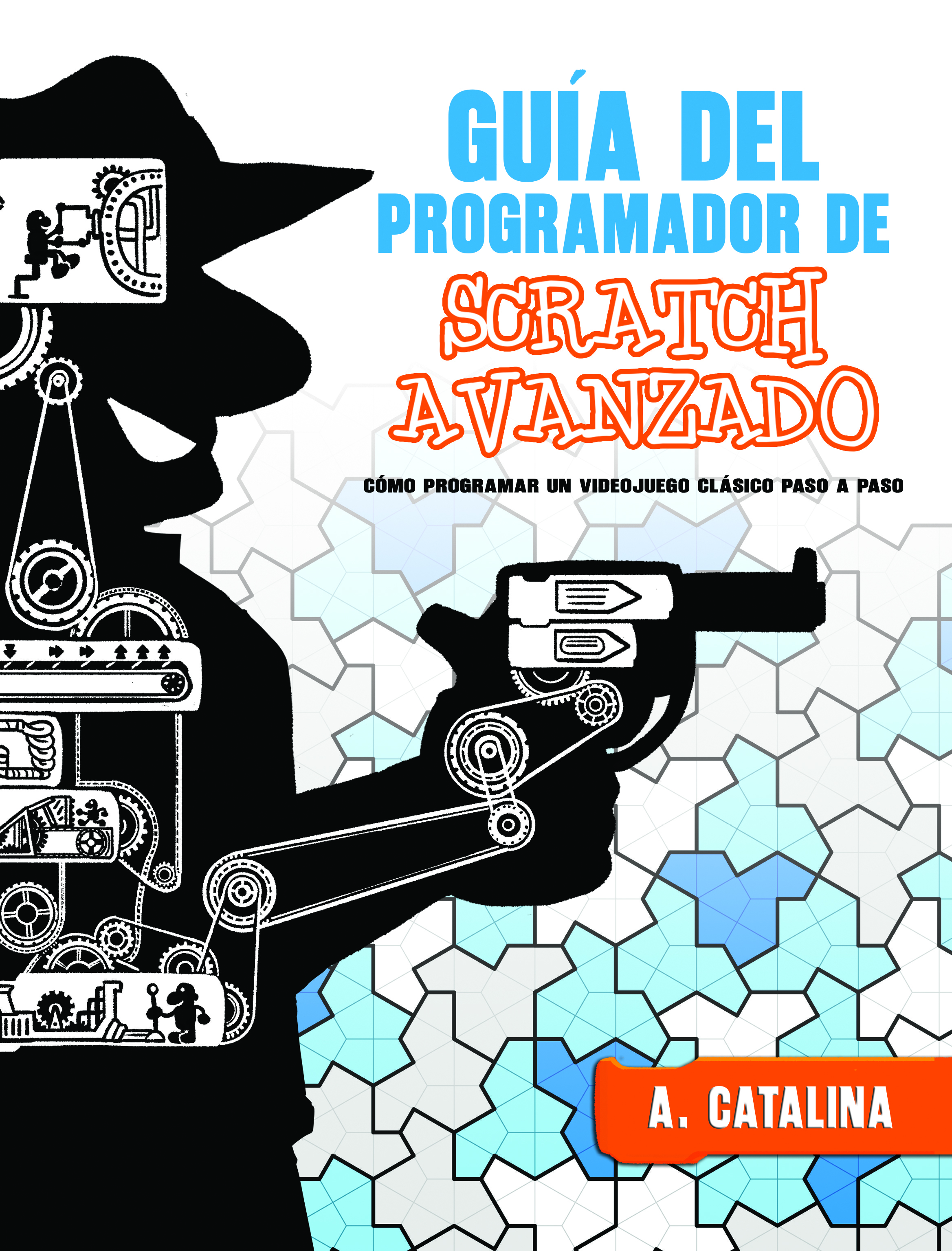
Guía del programador de Scratch avanzado
- Learn and apply advanced Scratch programming techniques by developing a classic video game.
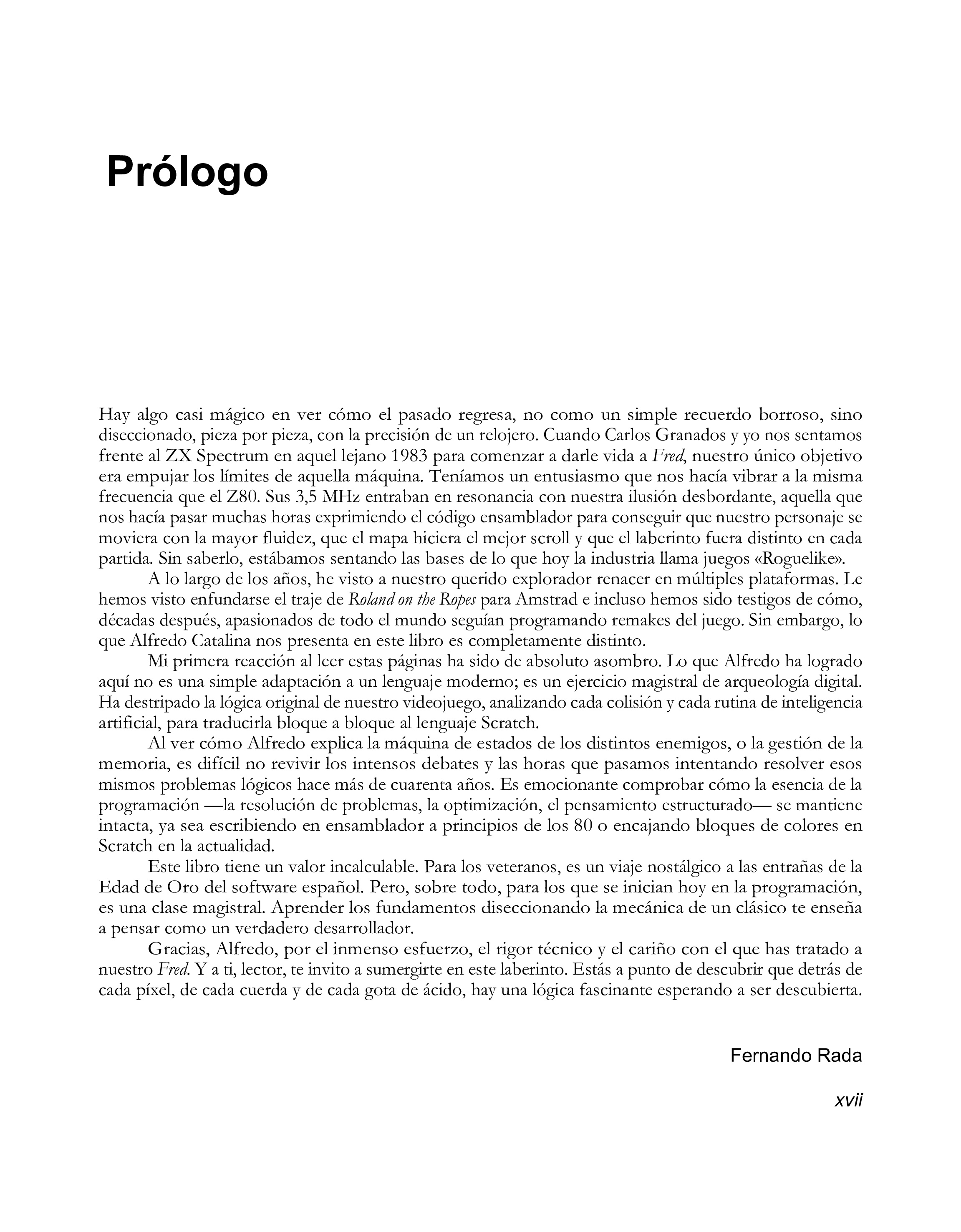
- A step-by-step guide to porting Fred (ZX Spectrum) to Scratch while preserving 100% of the original game's experience.
- More than 750 pages, with hundreds of figures and dozens of diagrams explaining every aspect of its implementation in detail.
- Scratch's syntax, closely resembling pseudocode, makes the code easy to follow even for readers with little programming experience.
- An appendix recounts the history of Fred's development and commercial release, reviews contemporary magazine coverage, and includes more than 160 references from magazines, books, blogs, and podcasts.
- Includes a comprehensive list of all remakes and ports published to date.
- Code, illustrations, and diagrams in English.
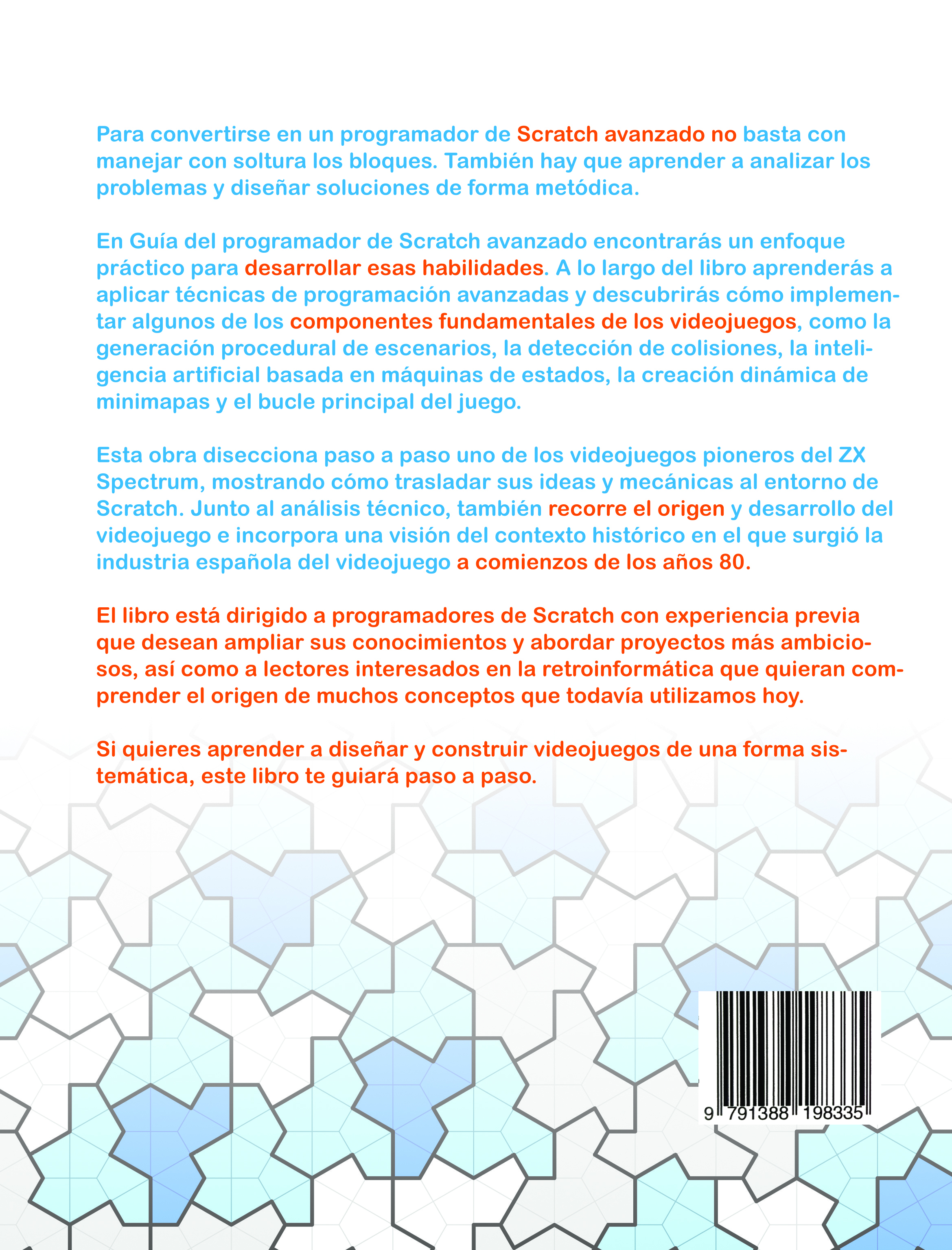
Becoming an advanced Scratch programmer requires more than simply mastering the blocks. It also involves learning how to analyse problems and design solutions in a systematic way.
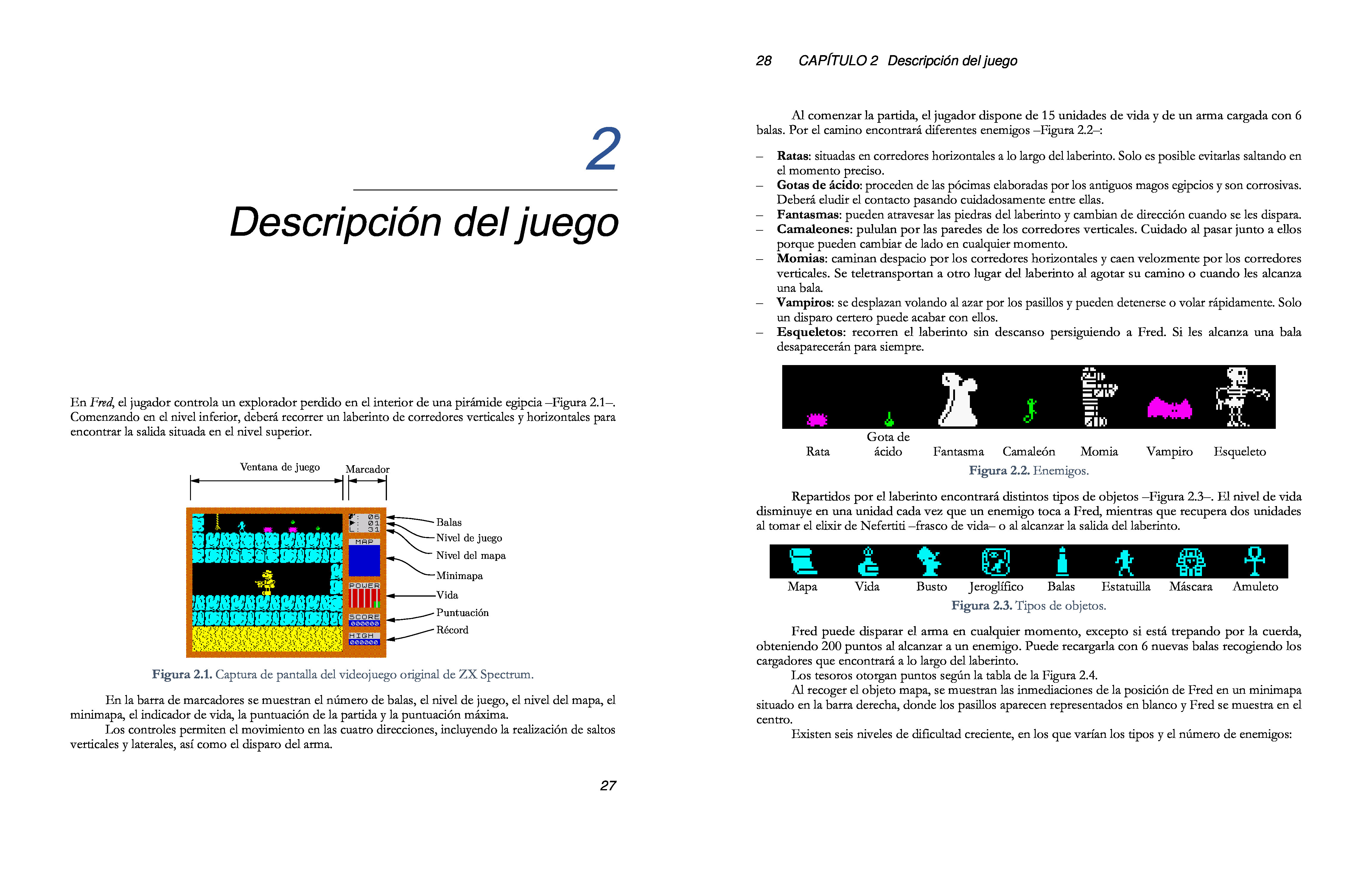
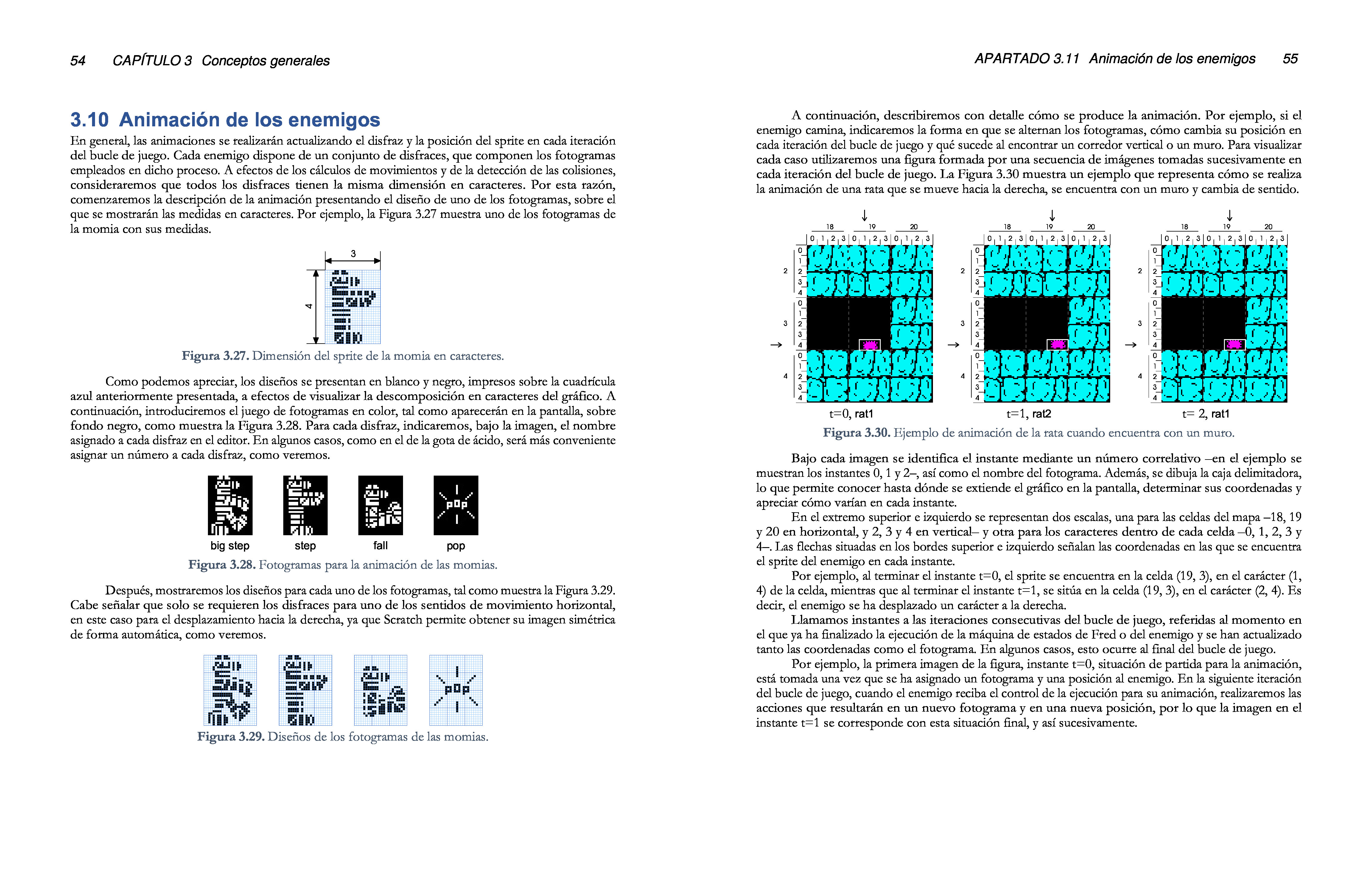
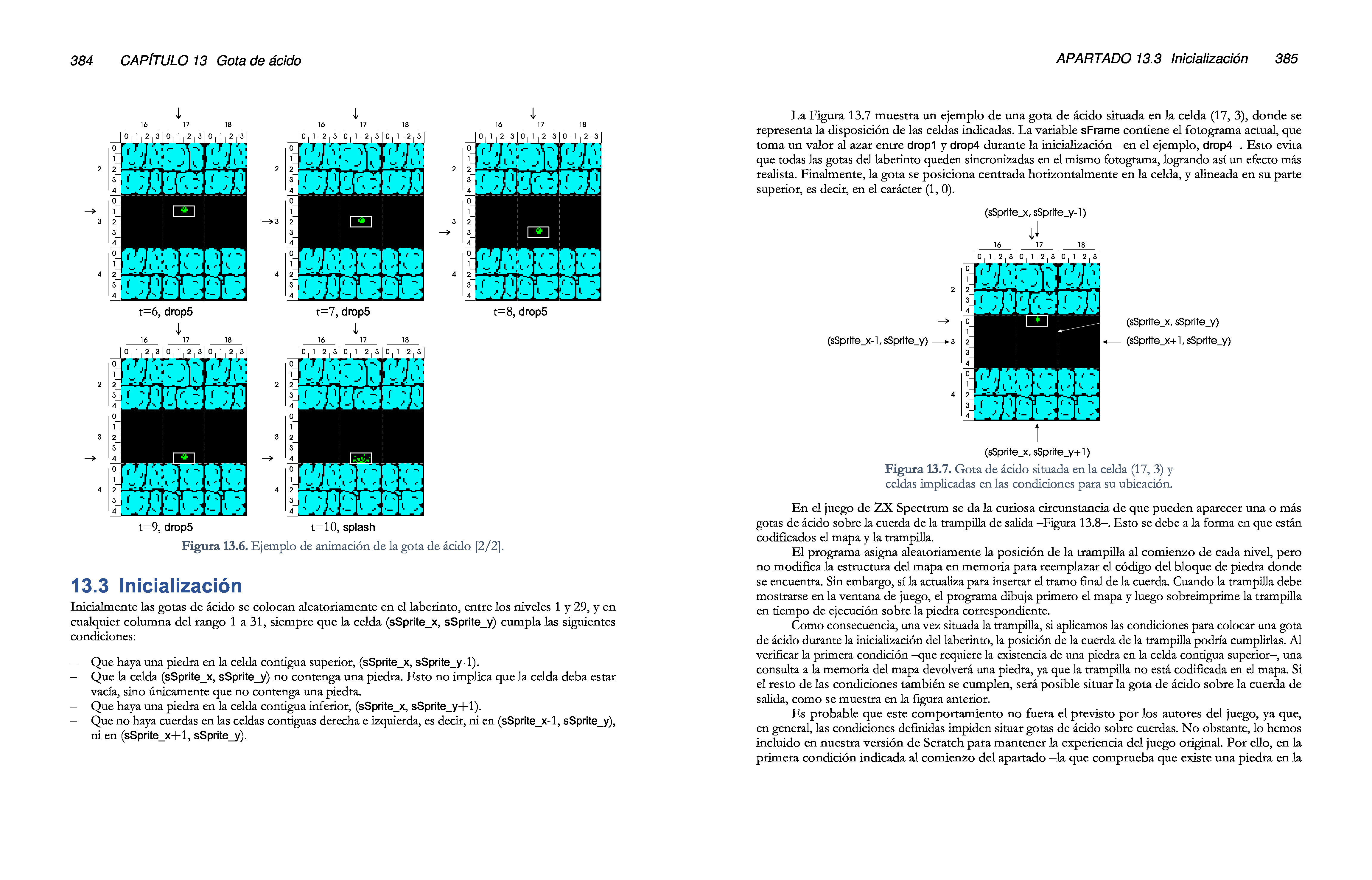
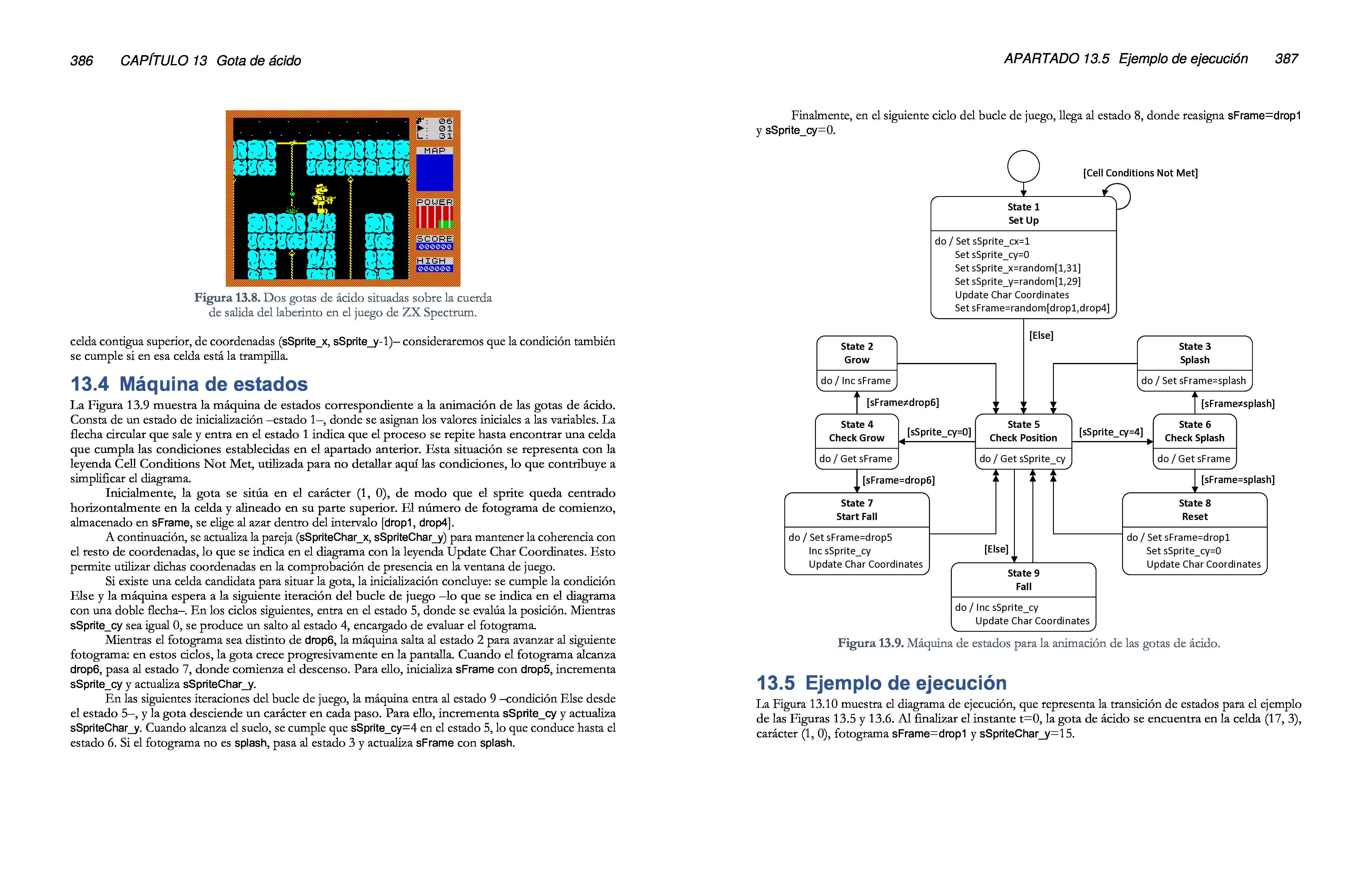
In Guía del programador de Scratch avanzado, you will find a practical approach to developing these skills. Throughout the book, you will learn how to apply advanced programming techniques and discover how to implement some of the fundamental components of video games, including procedural level generation, collision detection, state machine–based artificial intelligence, dynamic minimap creation, and the game loop.
The book provides a step-by-step analysis of one of the pioneering video games of the ZX Spectrum era, showing how its ideas and mechanics can be adapted to the Scratch environment. Alongside the technical discussion, it also explores the game’s origins and development, while providing insight into the historical context in which the Spanish video game industry emerged in the early 1980s.
This book is intended for Scratch programmers with prior experience who wish to expand their knowledge and tackle more ambitious projects, as well as for readers interested in retrocomputing who want to understand the origins of many concepts that are still in use today.
If you want to learn how to design and build video games using a systematic methodology, this book will guide you step by step.
 |  |  |  |
 |  |  |  |
You can contact us at info@recursivaediciones.com .